Resource Review: Five Gospel Tracts to Keep on Hand

Post Icon

Gospel tracts. What are they? What purpose(s) do they serve in evangelism? What things should we look for in a Gospel tract? These are the questions that led our team in the CGCS to conduct a sort of study, if you will. Using a March Madness style bracket, we compared and contrasted several different Gospel tracts to determine which ones we liked most.

Before we get into our top five tracts, however, it is important to consider a few things from the beginning. Here in the CGCS, we believe Gospel tracts are a valuable tool we can use in our evangelism. They provide the other person with something they can hold and something that provides structure and simple categories for understanding the Gospel. At the same time, it is important to clarify that we do not believe Gospel tracts are an ideal substitute for a personal evangelistic conversation. Tracts can be used as a means for sharing the Gospel more clearly with another person and to leave them with something to continue reading. That said, it is best to consider tracts as a supplement to our evangelism, not a substitute for evangelism.

Now, without further ado, here are our top five Gospel tracts, along with some honorable mentions…

 

Our Top 5

1. 4 Things God Wants You to Know

It is hard to go wrong with a tract that uses Scripture for the majority of its content. This is a Baptist blog, so we will describe the content of this tract using three alliterated words: simple, straightforward, and scriptural. As the name of the tract implies, the tract communicates the Gospel using four simple statements. Each page contains one of these statements with a list of 3-5 Bible verses below it. One of the strengths of this tract is that it is very easy to understand and it does not take long to read.

The design of this one is also very colorful and eye-catching. Design is important because, whether we realize it or not, we often judge things based on how they appear. Having an aesthetically pleasing tract removes a barrier to the other person hearing the Gospel clearly. The clean design of this tract, along with the fact that it is very organized and easy to follow, makes it a great resource for personal evangelism.

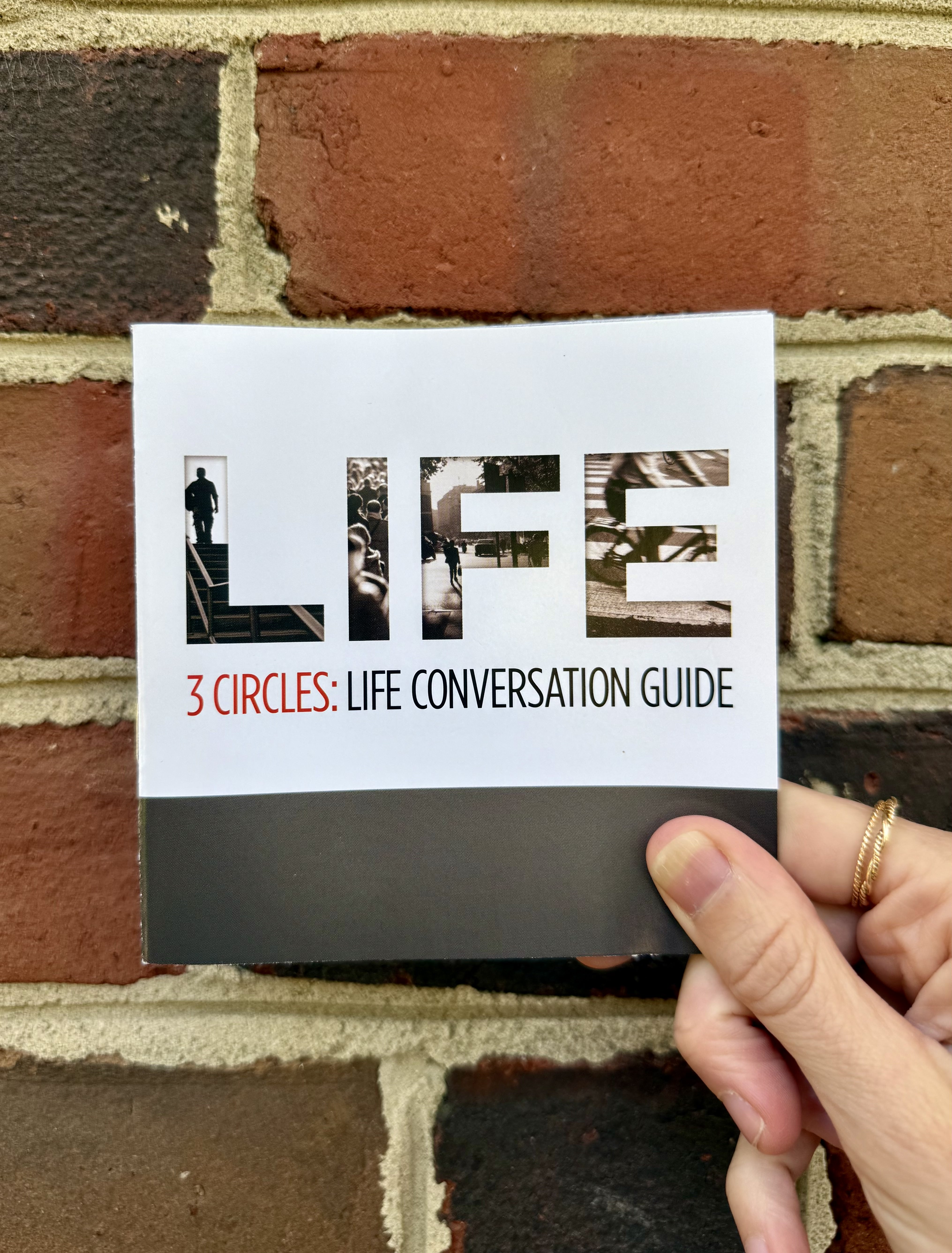
2. 3 Circles

The “3Circles” method of sharing the Gospel has become a staple in evangelical circles (no pun intended). It is visually engaging, simple, and easy to communicate. For these reasons alone, the “3 Circles” model deserves a spot in our top 5 evangelism tracts.

Due to its size (4 3/4” x 4 3/4”) the tract itself is a bit large to easily carry around. However, the “3 Circles” method of sharing the Gospel can be used almost anywhere even without the track. Once you are familiar with the 3 Circles, it is very simple to draw it out in real time as you explain the Gospel to the person with whom you are speaking.

There are a couple of critiques to be made of this tool. While the 3 Circles emphasizes the brokenness of the world, it is easy to skip over the problem of individual human sin and culpability before God under this model. So as a caveat, it is important when using it to emphasize our own desperate condition as enemies of God and how Jesus Christ meets our greatest need.


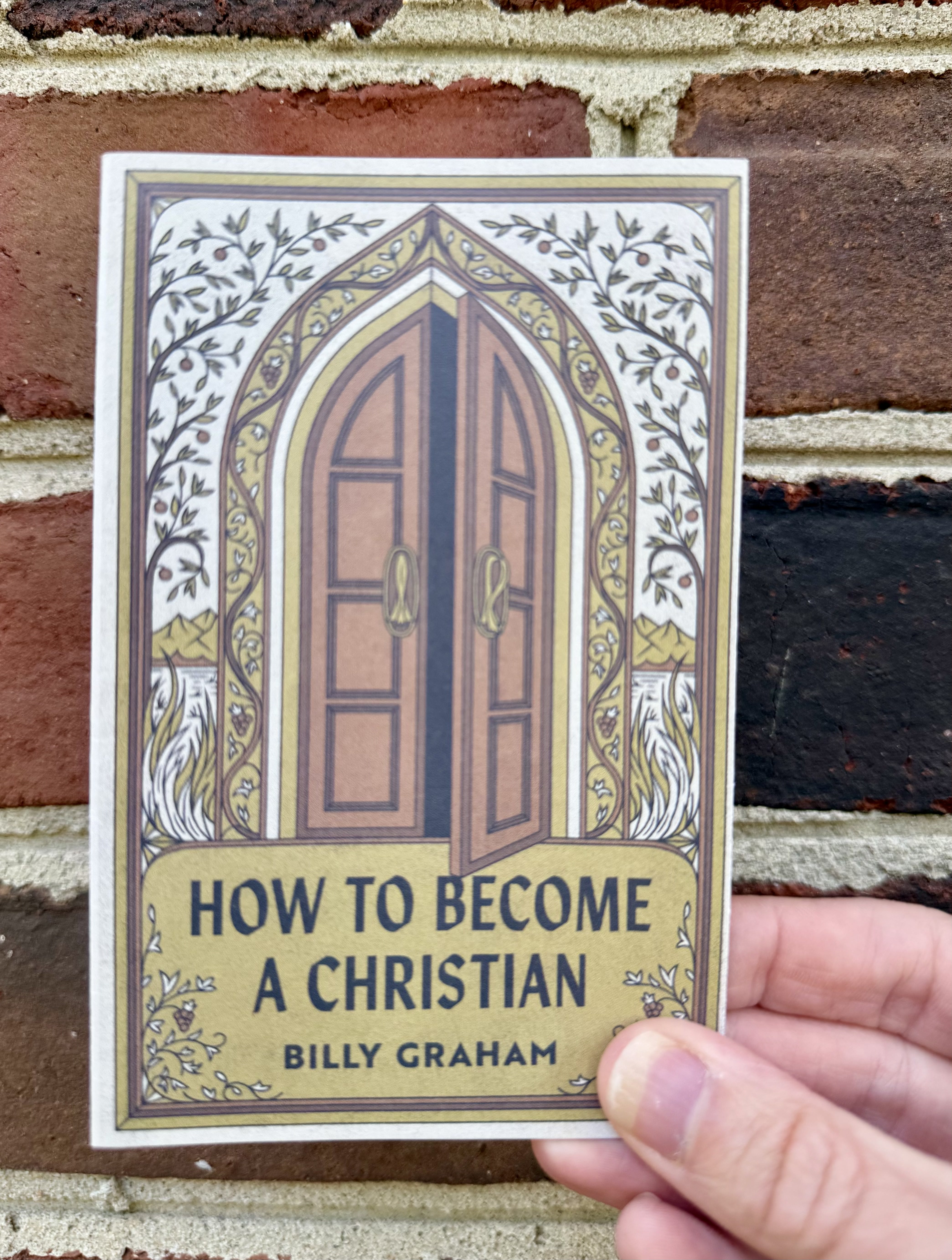
3. How to Become a Christian (Billy Graham)

This tract follows the simple, yet compelling, approach of beloved evangelist Billy Graham. Compared with the two previously discussed tracts, “How to Become a Christian” is more substantive in content. Therefore, the use case for this tract will likely differ from something like “4 Things God Wants You to Know” or “3 Circles.”

Due to its content-heavy, lengthy paragraph format, this tract may be more difficult to use in a conversational way than other tracts. However, it would be helpful in cases when a conversation is not possible. For example, a Halloween goodie bag might be a good instance to use this particular tract.

The aesthetic of the tract is very appealing and catches the eye. Like the other tracts on this list, it is also organized in a way that is very easy to follow.


4. Can I Be Forgiven?

We love the title of this one, as it immediately engages the reader and encourages them to ask themselves a very important question. In an engaging story format, the tract clearly presents the Gospel. It then provides simple, biblical steps for the reader to respond to the Gospel message.

While we would not recommend this tract as a replacement for a personal evangelism conversation, this tool could be used when further conversation is not possible and as a tool for follow-up after a conversation has already been had.

We like the vibrant colors and clean design of this tract. And like the Billy Graham resource, it is meant to be read word-for-word and does not lend itself to the flexibility of a conversation.

5. Is There Any Way to Be Saved?

Beginning with what is one of the most well-known verse in the world, this tract asks the reader, “do you really know what John 3:16 is about?” From there, it presents the Gospel in a clear, compelling way. One thing we like about this tract is that it provides action steps for the person who believes the Gospel. For example, it talks about the need for Christian community, which is found in the church. The layout and design of the tract is very clean, with reader-focused headers at the beginning of each section.

Honorable Mentions

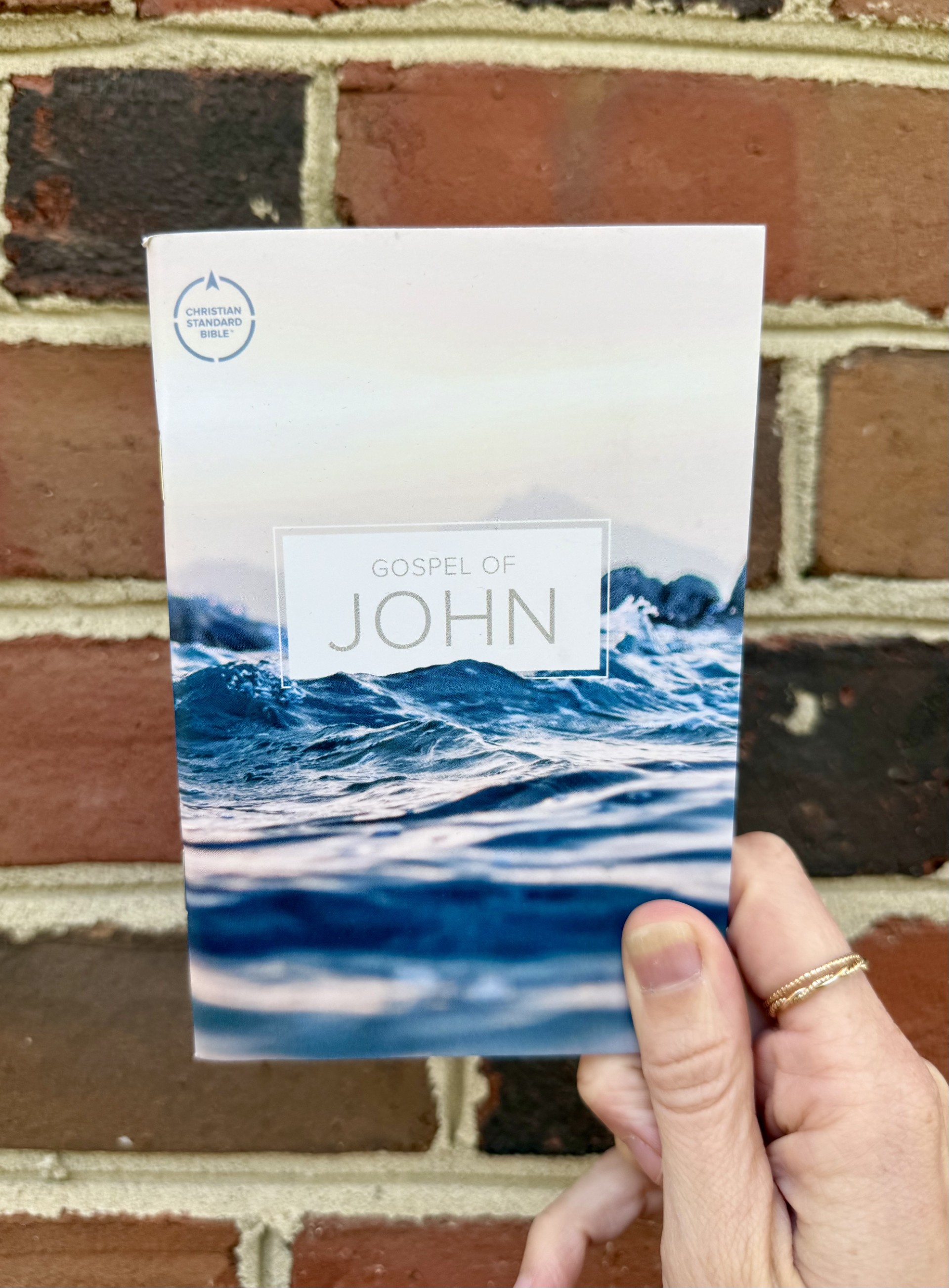
The Gospel of John (CSB & ESV)

For the purposes of this article, we reviewed both CSB and ESV versions of the giftable Gospel of John. This resource came out on top when our team was working through the Gospel Tract Bracket (or “Tracket” for short). However, since this is not really a tract in the traditional sense of the word, we did not include the Gospel of John in our top five Gospel tracts. We listed it under our Honorable Mentions section because it is one of the best tools a person can use in personal evangelism.

This “tract” is simply the Gospel of John in a highly portable format. Both the CSB and ESV versions of this resource are pocket-sized, making them convenient to have on hand for everyday evangelism.

It is worth noting that we prefer the aesthetic of the ESV to the CSB version. We like that the ESV version does not look like a tract. This just helps avoid any idea of this item we are handing them being a pamphlet or another Gospel tract. After all, this is no Gospel tract; it is the very Word of God! That said, we have found that the CSB translation tends to be more readable for those who do not have prior experience with church or the Scriptures, as well as internationals. We highly recommend using either of these versions of the Gospel of John in your everyday evangelism.

It Is Finished (Dane Ortlund)

Ortlund does an excellent job presenting the substitutionary work of Jesus Christ on the cross in a way that is clear and personal. While this did not make our Top 5, we appreciate about this tract is the author’s intentional and thorough exposition of the Gospel. This tract is another one that would be best used for follow-up or as a handout, rather than a tool to be used in a conversation. That said, with its rich theology, beautiful storytelling, and personal application, this tract is an excellent resource.

Center for Great Commission Studies

Subscribe to the CGCS Newsletter

to receive a biweekly roundup of current mission resources directly in your inbox.